
Understanding Metro Districts in Northern Colorado
If you’re considering purchasing a new construction home in Northern Colorado, you’ve likely come across the term metro district in community guides, builder websites, or conversations with your lender. Understanding how metro districts work—and how they may impact your monthly payments and long-term experience—is an important step before making a decision. This is especially true in regions like Timnath, Windsor, Severance, and Johnstown, where metro districts are common in new communities.
What Is a Metro District?
A metropolitan district ("metro district") is a special taxing district created under Colorado law. Developers often set up these districts to fund public infrastructure—such as streets, parks, sidewalks, water, and sewer—within new residential communities. Instead of cities covering all these costs upfront, the metro district issues bonds to finance the work, then repays the bonds over time through property taxes or fees collected from homeowners in that community.
Why Are Metro Districts Common in Newer Communities?
Throughout Northern Colorado, especially in fast-growing areas, metro districts make it possible for developers to build needed amenities and infrastructure without putting the entire financial burden on the local municipality. This helps keep up with demand while supporting high-quality neighborhoods. But for buyers, it means paying an additional property tax bill, or in some cases, extra assessments or fees.
Thinking about buying new construction?
Get expert guidance on builders, incentives, and contracts — no pressure.
How Metro Districts Affect Your Home Purchase
Your Property Tax Bill
The most significant impact you’ll notice is on your annual property tax statement. Metro district mill levies (essentially tax rates) are typically in addition to city or county taxes. It’s not unusual for the total effective tax rate in a metro district neighborhood to be noticeably higher than in a comparable older neighborhood outside any district boundaries.
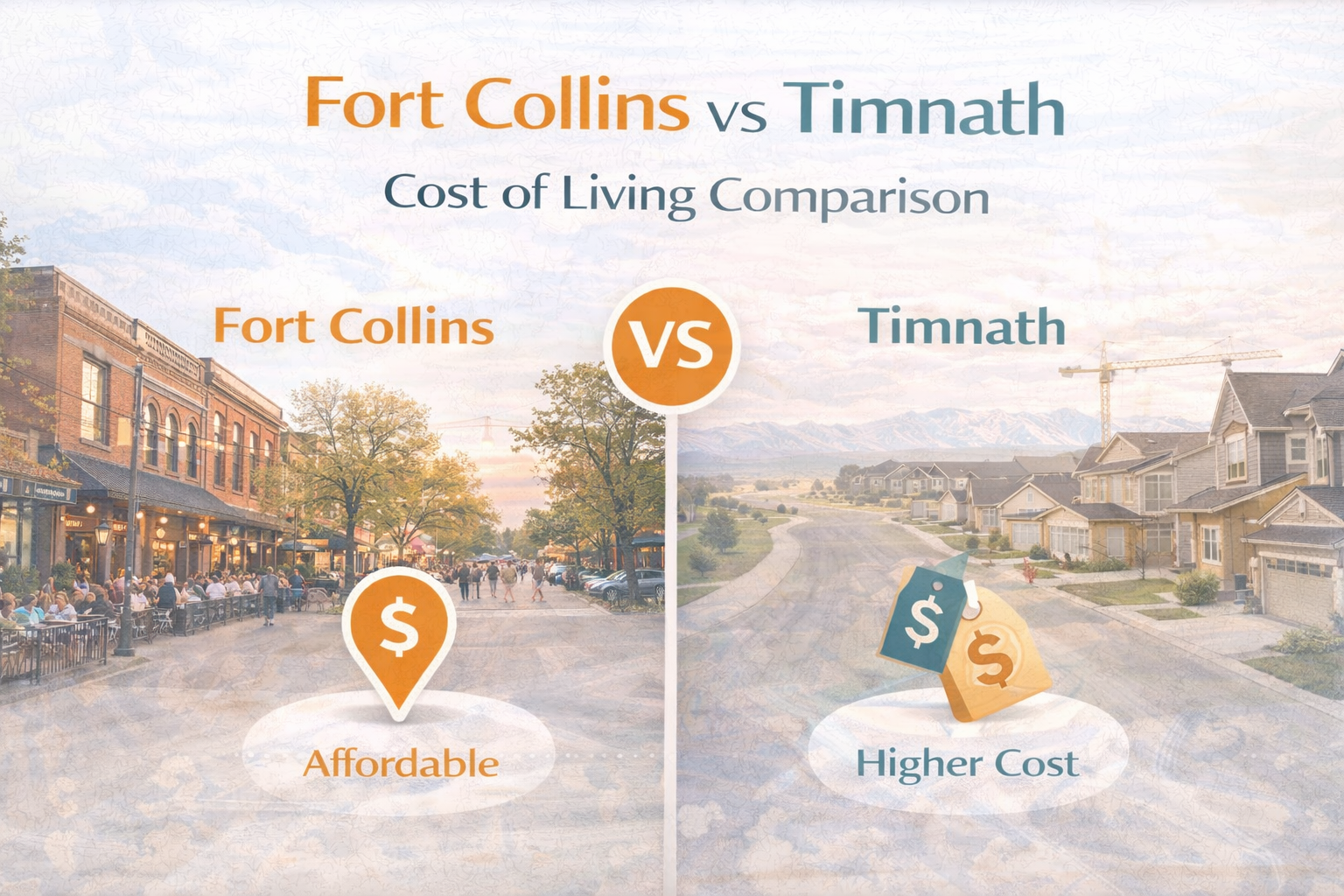
Example: Two nearly identical homes—one in older Fort Collins, another in a new Timnath development. The home in Timnath’s metro district might carry a total tax rate 30–60% higher due to the district payments. That translates into hundreds of extra dollars per month, depending on your home’s value.
Mill Levies and Tax Rate Changes
Metro districts can adjust their mill levies within certain legal limits. Some districts are aggressive in early years as they pay down construction-related bond debt, then gradually lower rates as obligations are met. Others keep rates elevated longer. Reading a district’s Service Plan or talking with your buyer’s agent about their historical behavior is key before buying.
What’s Funded by Metro Districts?
Each metro district can fund different expenses. In Northern Colorado, many cover:
- Water, sewer, and stormwater infrastructure
- Local roads and landscaping
- Parks, trails, and open space
- Clubhouse or recreation amenities (in some communities)
Some districts also fund ongoing maintenance—others transfer that responsibility to an HOA. Double check your documentation to understand what your metro district funds versus what your HOA covers. Not all communities are alike.
Are Metro Districts the Same as HOAs?
No. While metro districts and homeowners associations (HOAs) can exist in the same community, their legal purposes and powers differ:
- Metro districts are government entities collecting property taxes or fees to pay for significant infrastructure and, in some cases, maintenance.
- HOAs are private associations handling rules, covenants, and often shared landscaping or amenities not covered by the district. HOAs usually charge a recurring fee, separate from property taxes.
Some communities have both; others, only a metro district. Carefully compare the roles and costs of each before committing.
Comparing Metro Districts in Northern Colorado
Questions to Ask When Comparing Communities
When you tour model homes or review builder materials, ask:
- What is the total current mill levy (tax rate) for this metro district?
- Has the mill levy changed in the past five years?
- How long is the expected bond repayment period? Is it capped?
- What public amenities and infrastructure are funded by the district?
- Is there a separate HOA fee? If so, what does the HOA cover that the metro district doesn’t?
- Are there planned future increases or decreases in district taxes/fees?
- What authority does the district’s board (often initially controlled by developers) have to raise or lower rates?
These questions arm you to compare not just the home price but the full cost of ownership between different Northern Colorado neighborhoods.
A Closer Look: Timnath Ranch Metro District (Example)
Take Timnath Ranch—a popular new construction community developed by multiple builders. The area’s metro district funds neighborhood amenities, including parks and trails, in addition to infrastructure. Homeowners pay both a metro property tax and an HOA fee. It’s important for buyers to review both the metro district’s Service Plan and the HOA’s budget to understand current and future financial obligations before making an offer.
Who Oversees Metro Districts?
Metro districts are public entities governed by a board—typically made up of property owners. In early years, these board seats often remain with the developer or their representatives, transferring to a broader base of residents as the community grows. Homeowners have a say, but not always immediately. Ask your agent or builder who sits on the current board and how decisions are made.
What Northern Colorado Buyers Should Know
- Metro districts can provide high-quality public spaces and infrastructure, but at a real, lasting cost.
- These costs are above and beyond the typical municipal tax rate and any HOA dues.
- District taxes are subject to change, with adjustments sometimes decided by boards still under developer control.
- Not all buyers realize how metro district payments add to monthly mortgage calculations (lenders will often include estimated taxes into your escrow).
- Before committing, compare potential homes by total monthly payment, factoring in both principal/interest and all property taxes and fees.
Making an Informed Decision
New construction in Northern Colorado offers modern amenities and new infrastructure. Metro districts make these possible. But each district’s financial requirements can vary significantly—even between communities that look similar on the surface. Decision-making about which neighborhood or builder is best for you requires careful consideration of:
- Your ongoing budget and comfort with tax rate changes
- Which amenities and services you value most
- The transparency and governance of each district
It’s always wise to request and review your prospective district’s Service Plan (a public document) and consult with your buyer’s agent about any questions that arise. The right fit for one buyer may not suit another, and understanding the facts—rather than just amenities and finishes—puts you in the best position to make a confident new home purchase.
If you have questions about metro districts in your preferred Northern Colorado community, or need help comparing the true costs of similar homes, reach out. There’s never any pressure—just unbiased information to support your best decision.