New Construction Inspections: Why Every Northern Colorado Buyer Should Get One
One of the biggest misconceptions about buying a new construction home is that inspections aren't necessary. After all, the home is brand new, built to current codes, and has already passed multiple city inspections. So why pay for another inspection?
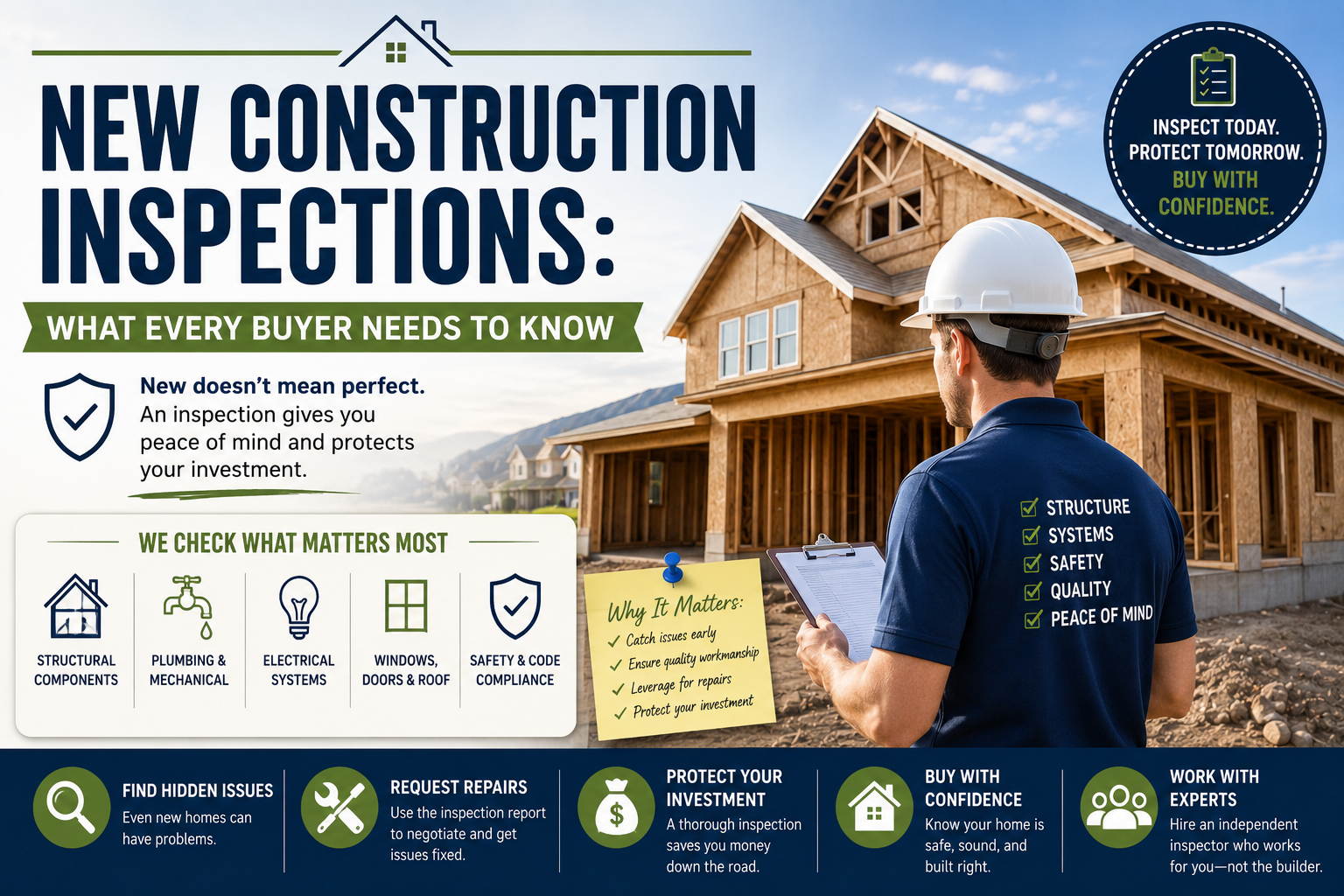
The reality is that "new" doesn't always mean "perfect." Even well-built homes can have issues ranging from minor cosmetic defects to major construction concerns. That's why many experienced buyers choose to invest in independent inspections before closing on a new construction home in Northern Colorado.
A third-party inspection can identify problems early, provide peace of mind, and potentially save thousands of dollars in future repairs.
Thinking about buying new construction?
Get expert guidance on builders, incentives, and contracts — no pressure.
Do New Construction Homes Really Need Inspections?
Yes.
Municipal code inspections are designed to verify that a home meets minimum building standards. They are not comprehensive evaluations of every component in the home.
An independent home inspector works solely for the buyer and provides a more detailed review of the property's condition.
Even homes built by respected builders can have issues involving:
- Framing
- Roofing
- Plumbing
- Electrical systems
- HVAC installation
- Insulation
- Drainage
- Windows and doors
Construction crews often work on tight schedules, and mistakes can happen at any stage of the building process.
Types of New Construction Inspections
The best inspection strategy often includes multiple inspections throughout the construction process.
Pre-Drywall Inspection
A pre-drywall inspection takes place after major systems have been installed but before insulation and drywall are completed.
This is often considered the most valuable inspection because many critical components are still visible.
Inspectors can evaluate:
- Framing quality
- Roof structure
- Plumbing lines
- Electrical wiring
- HVAC ductwork
- Window installation
- Structural connections
Once drywall is installed, many of these systems become hidden from view.
For buyers building a home from the ground up, a pre-drywall inspection can uncover issues before they become expensive or difficult to correct.
Final Inspection
The final inspection occurs when the home is substantially complete and nearing closing.
At this stage, inspectors evaluate the home's overall condition and functionality.
Items commonly reviewed include:
- Appliances
- Electrical outlets and switches
- Plumbing fixtures
- HVAC operation
- Doors and windows
- Flooring
- Cabinets and countertops
- Exterior finishes
- Drainage around the property
The goal is to identify any remaining issues before ownership transfers to the buyer.
Specialty Inspections
Depending on the property and location, buyers may choose additional inspections.
Radon Testing
Radon is naturally present throughout much of Colorado, making testing an important consideration for many buyers.
Testing can help determine whether elevated radon levels exist inside the home.
Sewer Scope Inspection
Even in brand-new communities, sewer line inspections can reveal installation defects, construction debris, or other concerns.
Thermal Imaging
Thermal imaging technology can help identify:
- Missing insulation
- Air leaks
- Moisture intrusion
- HVAC performance issues
These inspections may uncover problems that are not visible during a standard inspection.
Common Issues Found in New Construction Homes
Many buyers are surprised by how frequently inspectors discover issues in newly built homes.
Common findings may include:
- Improper grading or drainage
- Missing insulation
- Roof installation concerns
- Plumbing leaks
- Electrical wiring defects
- HVAC balancing issues
- Window installation problems
- Incomplete caulking or sealing
- Damaged finishes
Most issues are repairable, but finding them before closing is often much easier than addressing them after move-in.
When Should You Schedule Inspections?
Timing matters.
During Construction
If you're building a home from the ground up, schedule a pre-drywall inspection before insulation and drywall installation begin.
Near Completion
Schedule a final inspection once construction is substantially complete but before your final walkthrough and closing.
Before Closing
If you're purchasing a quick move-in home, schedule the inspection as soon as possible after going under contract.
This allows time for the builder to address concerns before closing day.
What Happens If Problems Are Found?
Inspection reports are common, and nearly every home receives one.
If issues are identified:
- Review the report carefully
- Prioritize significant concerns
- Submit repair requests to the builder
- Document all communication
- Verify completed repairs before closing
Most builders are willing to address legitimate construction concerns prior to closing.
How Much Does a New Construction Inspection Cost?
Inspection costs vary depending on the size of the home and the services requested.
While inspections represent an additional upfront expense, many buyers view them as one of the most valuable investments in the home-buying process.
Compared to the potential cost of hidden defects, the inspection fee is often relatively small.
Why Inspections Matter Even With a Builder Warranty
A builder warranty can provide important protection after closing, but warranties and inspections serve different purposes.
An inspection helps identify concerns before you take ownership of the home.
A warranty helps address qualifying issues that arise after closing.
Relying solely on a warranty may leave buyers dealing with repairs, appointments, and disruptions that could have been addressed before move-in.
The strongest approach is combining independent inspections with a thorough understanding of the builder's warranty coverage.
My Perspective as a Northern Colorado Realtor
I've walked through hundreds of new construction homes throughout Fort Collins, Windsor, Timnath, Loveland, Severance, Berthoud, Greeley, Evans, and Erie.
Even excellent builders occasionally have issues that need attention before closing.
The buyers who experience the fewest surprises are typically those who invest in inspections, ask questions throughout construction, and document concerns early.
An inspection is not about finding reasons to walk away from a home. It's about making sure the home you purchase meets expectations and giving the builder an opportunity to correct issues before you move in.
Final Thoughts
New construction homes offer many advantages, but they are still built by people, and mistakes can happen during the construction process.
Whether you're purchasing a quick move-in home or building from the ground up, an independent inspection can provide valuable insight into the quality and condition of your future home.
Before closing on any new construction home in Northern Colorado, consider scheduling appropriate inspections, reviewing the builder's warranty, and understanding exactly what you're buying. A few hundred dollars spent on inspections today could help prevent costly surprises tomorrow.
Related Reading
- new construction homes in Northern Colorado
- compare builders in Northern Colorado
- new construction warranty guide
- hidden costs of new construction
- metro districts