
Buying a new construction home sounds straightforward. You pick a floor plan, choose your finishes, and wait for your brand-new home to be built. Simple, right?
Not quite.
After working with dozens of buyers across Northern Colorado — from first-timers to people on their third new build — I've heard the same regrets and surprises come up over and over again. This guide is my attempt to put everything in one place so you can walk into the process with your eyes open.
Thinking about buying new construction?
Get expert guidance on builders, incentives, and contracts — no pressure.
1. The Advertised Price Is Just the Starting Point
The number on the sign outside the model home is rarely what buyers end up paying. Once you add lot premiums, structural upgrades, design center selections, landscaping, window coverings, and closing costs, the final number can be significantly higher.
Before you fall in love with a floor plan, ask the sales counselor what buyers in that community are actually spending. That answer is almost always more useful than the starting price.
2. You Need Your Own Realtor — Not Just the Builder's Rep
The sales counselor at the model home is employed by the builder. They are professional, often helpful, and genuinely knowledgeable — but their job is to represent the builder's interests, not yours.
Having your own buyer's agent costs you nothing in most cases (the builder pays the commission), and it gives you someone in your corner who can review contracts, negotiate on your behalf, and flag things the sales team might not volunteer.
3. Builder Contracts Are Not Like Resale Contracts
If you have bought a resale home before, the contract you signed at closing probably looked familiar. Builder contracts are a different animal entirely.
They are longer, more detailed, and written to protect the builder. They include specific language around earnest money, financing deadlines, change order policies, cancellation rights, and warranty procedures. Read every page — or have someone read it with you — before you sign anything.
4. The Model Home Is Not What You Are Buying
Model homes are designed to showcase nearly every available upgrade. The kitchen you fell in love with, the flooring, the light fixtures, the built-ins — many of those are premium options that are not included in the base price.
Always ask for the standard features list before your design appointment so you know exactly what comes with the home and what you would be paying extra for.
5. Structural Upgrades Are Worth More Than Cosmetic Ones
Once the drywall goes up, moving walls, adding electrical outlets, expanding a garage, or finishing a basement becomes extremely expensive. Decorative choices like countertop edges, cabinet hardware, and paint colors can always be updated later.
My rule of thumb: spend your upgrade budget on the things you cannot easily change after you move in. Structural options, taller ceilings, additional electrical, and covered patios are investments. Fancy backsplash tile is not.
6. Lot Premiums Can Add Thousands to Your Price
Builders charge more for certain lots — corner lots, lots that back to open space or a trail, lots with better views, or lots in more desirable phases of a community. These lot premiums can range from a few thousand dollars to well over $20,000 depending on the builder and community.
Ask to see the full lot premium map before you commit to a specific homesite. Sometimes a less premium lot in a great community is a smarter financial decision than paying top dollar for a corner lot.
7. Metro District Taxes Can Significantly Raise Your Monthly Payment
This is one of the most common surprises I see in Northern Colorado. Many new construction communities are funded through Metro Districts, which add an additional property tax on top of the standard rate. In some communities, this can add hundreds of dollars per month to your total housing cost.
Always ask whether a community has a Metro District, what the mill levy is, and how that affects your estimated monthly payment before you fall in love with a floor plan.
8. You Should Get Independent Inspections — Even on a Brand-New Home
New does not mean perfect. Builders work with dozens of subcontractors, and things get missed. I recommend independent inspections at three stages when possible: before drywall, before closing, and at the 11-month mark before your first-year warranty expires.
A good inspector who understands new construction can catch issues while they are still easy and inexpensive to fix. Do not skip this step because the home is new.
9. The Builder's Preferred Lender Is Worth Comparing — Not Automatically Using
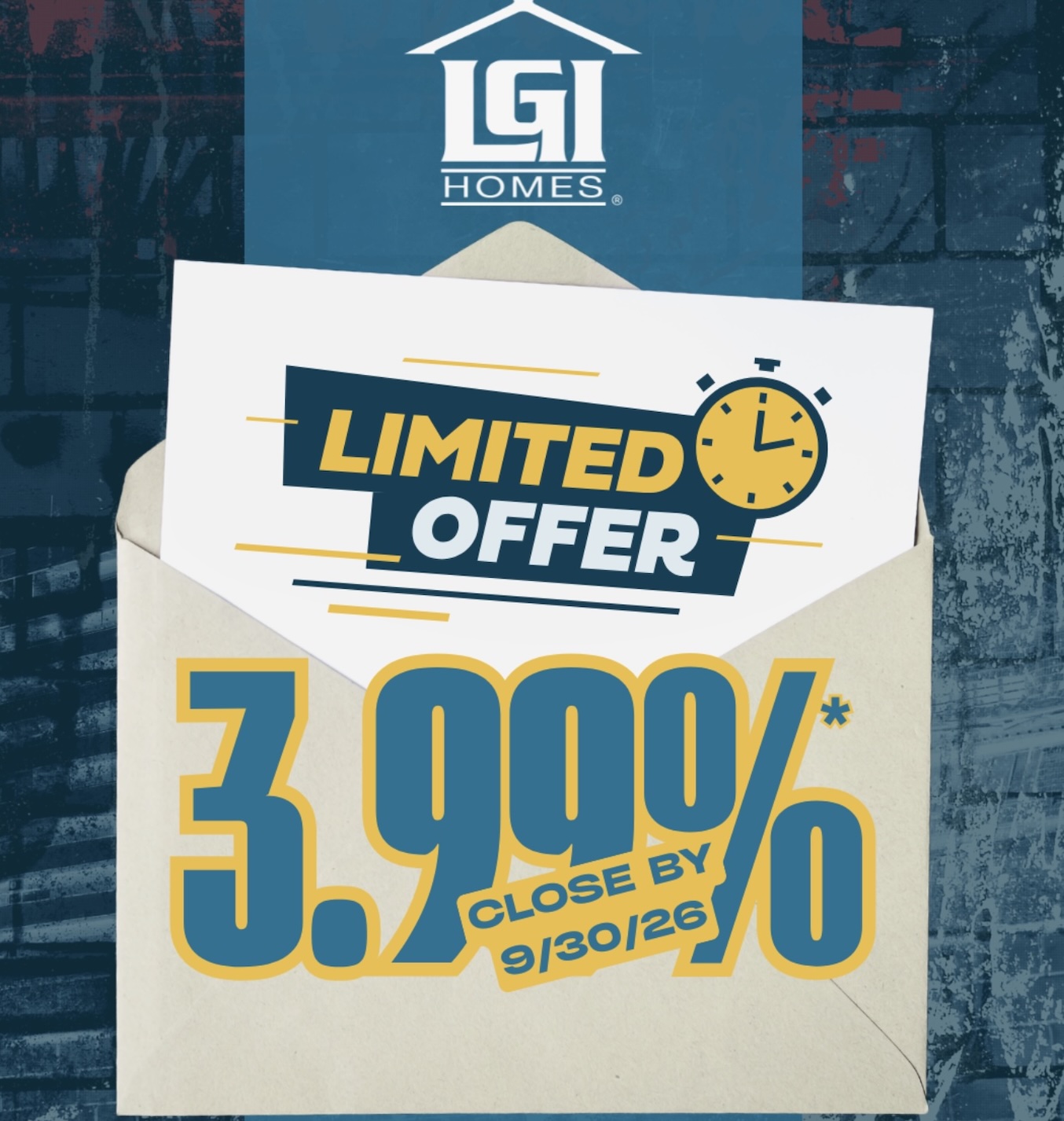
Builders often offer attractive incentives like rate buydowns or closing cost contributions when you use their preferred lender. These incentives can be genuinely valuable and worth taking.
But always get at least one outside quote before deciding. The best incentive package is not always the best overall financial deal, especially when you factor in the full loan terms, interest rate, and long-term cost of borrowing.
10. Landscaping, Fencing, and Blinds Are Usually Not Included
Walk through your new home on closing day and you may notice a few things missing: no grass in the backyard, no window coverings, no fence. These are standard exclusions for most builders, and they add up quickly.
Budget for these costs before you close so they do not catch you off guard after you have already committed every dollar to the home itself.
11. Build Timelines Shift — Sometimes Significantly
Builders give estimated completion dates, not guaranteed ones. Supply chain delays, weather, labor shortages, and permit timing can all push your closing date back by weeks or months.
If you are selling a current home or ending a lease, build a buffer into your timeline and have a contingency plan for temporary housing if the schedule slips.
12. The Community Matters as Much as the Home
You are not just buying a floor plan — you are choosing where you will live your daily life for the next several years. Visit the community at different times of day. Drive the commute. Walk the trails. Check the school districts. Look at what is being built around the community and how the neighborhood will feel in five years.
A well-designed home in the wrong location will feel less right over time. A simpler home in a community you love will feel better every day.
13. Communication Styles Vary Wildly Between Builders
Some builders are excellent at keeping buyers informed throughout the process — regular updates, walkthrough opportunities, proactive communication when something changes. Others are harder to reach and leave buyers feeling in the dark.
Ask other buyers about their experience. Read reviews. Talk to your agent about their experience working with that builder. The communication quality during the build is often a preview of how warranty issues will be handled after closing.
14. You Can — and Should — Negotiate
Buyers sometimes assume the price on a new construction home is fixed. It is not always. Especially on spec homes or quick move-in inventory, builders may be open to price adjustments, additional incentives, or upgraded features at no cost.
The worst they can say is no. Having a buyer's agent who knows the local market and has relationships with builder sales teams can make a meaningful difference in what you are able to negotiate.
15. Your Experience Is Valuable to Other Buyers
The new construction buying process is not well understood by most people going through it for the first time. Your experience — the good, the complicated, and the things you would do differently — is genuinely useful to other buyers trying to make the same decisions.
If you have recently closed on a new construction home in Northern Colorado, sharing your honest experience helps the next buyer walk in better prepared.
The Bottom Line
Buying a new construction home can be one of the best decisions you make — you get a home built to current standards, with modern features, and often with builder incentives that make financing more accessible. But it works best when you go in informed.
If you have questions about specific builders, communities, or what to expect from the process in Northern Colorado, I am always happy to talk through your situation.
Mark Leavitt — NoCo New Builds | The Nixon Team at RE/MAX Alliance (970) 590-9656 | Mark@noconewbuilds.com